
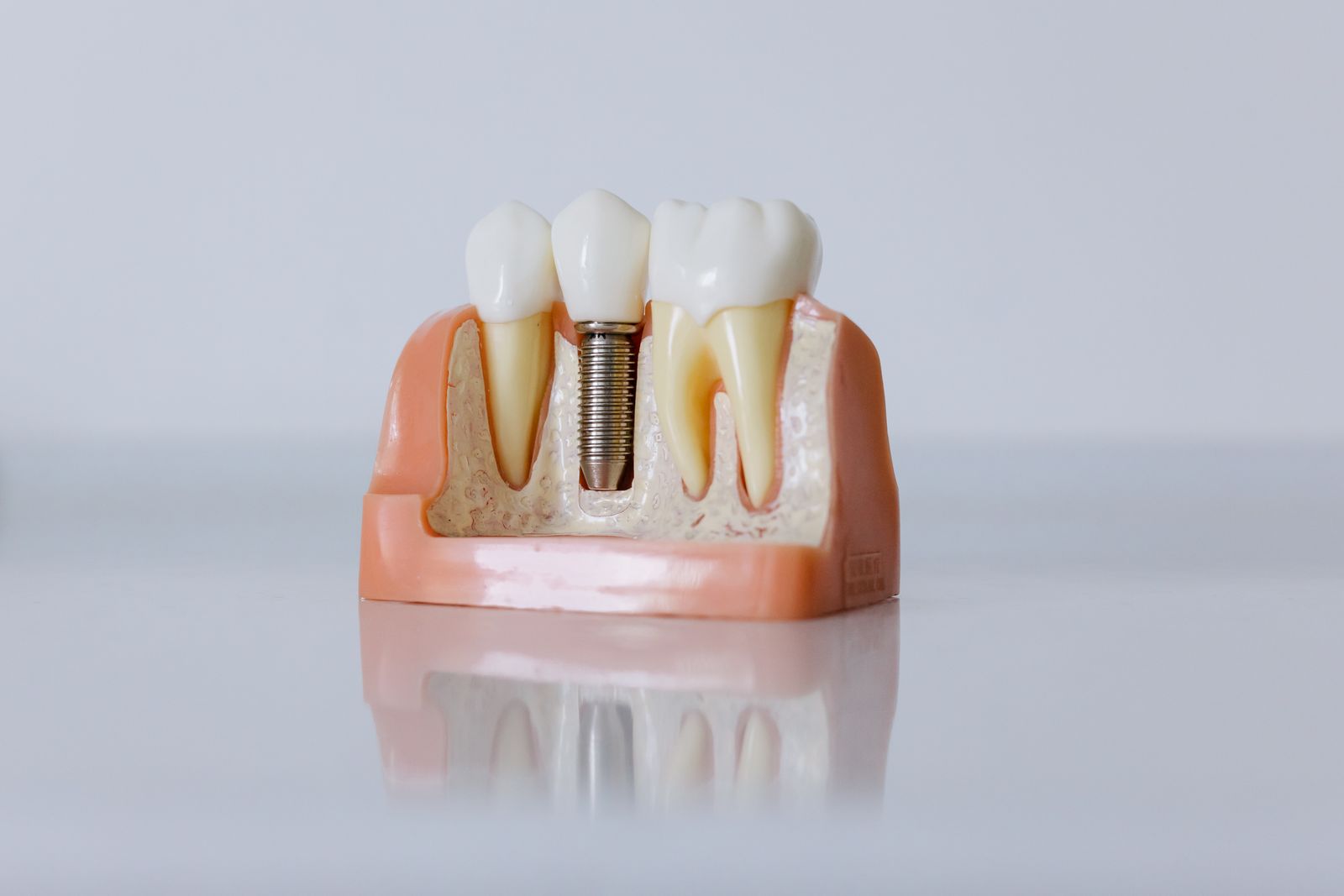
If you’re missing two or more teeth in a row, a dental bridge can restore your smile and your ability to chew. Today you have two main types to choose from: a traditional bridge supported by your natural teeth, or an implant-supported bridge anchored to dental implants.
At The Dental Center of Jefferson in Lake Hopatcong, Dr. Mostafa Jabr helps patients compare both options. Here’s how they differ and how to choose.
What Is a Traditional Bridge?

A traditional bridge fills a gap with one or more false teeth attached to crowns on the natural teeth on each side. Those supporting teeth, called abutments, are reshaped to hold the crowns.
What Is an Implant-Supported Bridge?

An implant-supported bridge is anchored to dental implants placed in the jawbone instead of natural teeth. Two or more implants can support a bridge that replaces several teeth, without touching the healthy teeth nearby.
Implant-Supported vs. Traditional Bridge at a Glance
| Traditional bridge | Implant-supported bridge | |
|---|---|---|
| Supported by | Natural teeth (reshaped) | Dental implants |
| Neighboring teeth | Reshaped for crowns | Left untouched |
| Jawbone under the gap | Not preserved | Helps preserve bone |
| Surgery | None | Implant placement |
| Treatment time | A few weeks | A few months |
| Best for | 1 to 2 missing teeth with weak neighbors | 2 or more missing teeth, healthy neighbors |
| Long-term outlook | Depends on supporting teeth | Often a strong long-term choice |
Advantages of an Implant-Supported Bridge
- Protects healthy teeth. No need to reshape neighboring teeth.
- Helps preserve bone. Implants act like tooth roots, helping prevent the bone loss that happens under a gap.
- Replaces several teeth efficiently. Two implants can often support three or four teeth.
- Strong and stable. Built to handle everyday chewing.
When a Traditional Bridge Makes Sense
- The neighboring teeth already need crowns because of large fillings or damage
- You want treatment completed quickly, without surgery
- There isn’t enough bone for implants and grafting isn’t preferred
- Health factors make implant surgery less advisable
What About a Single Missing Tooth?
If you’re missing just one tooth, a single implant is often a better choice than a bridge. Read our comparison of a single implant vs. a bridge.
The Implant-Supported Bridge Process
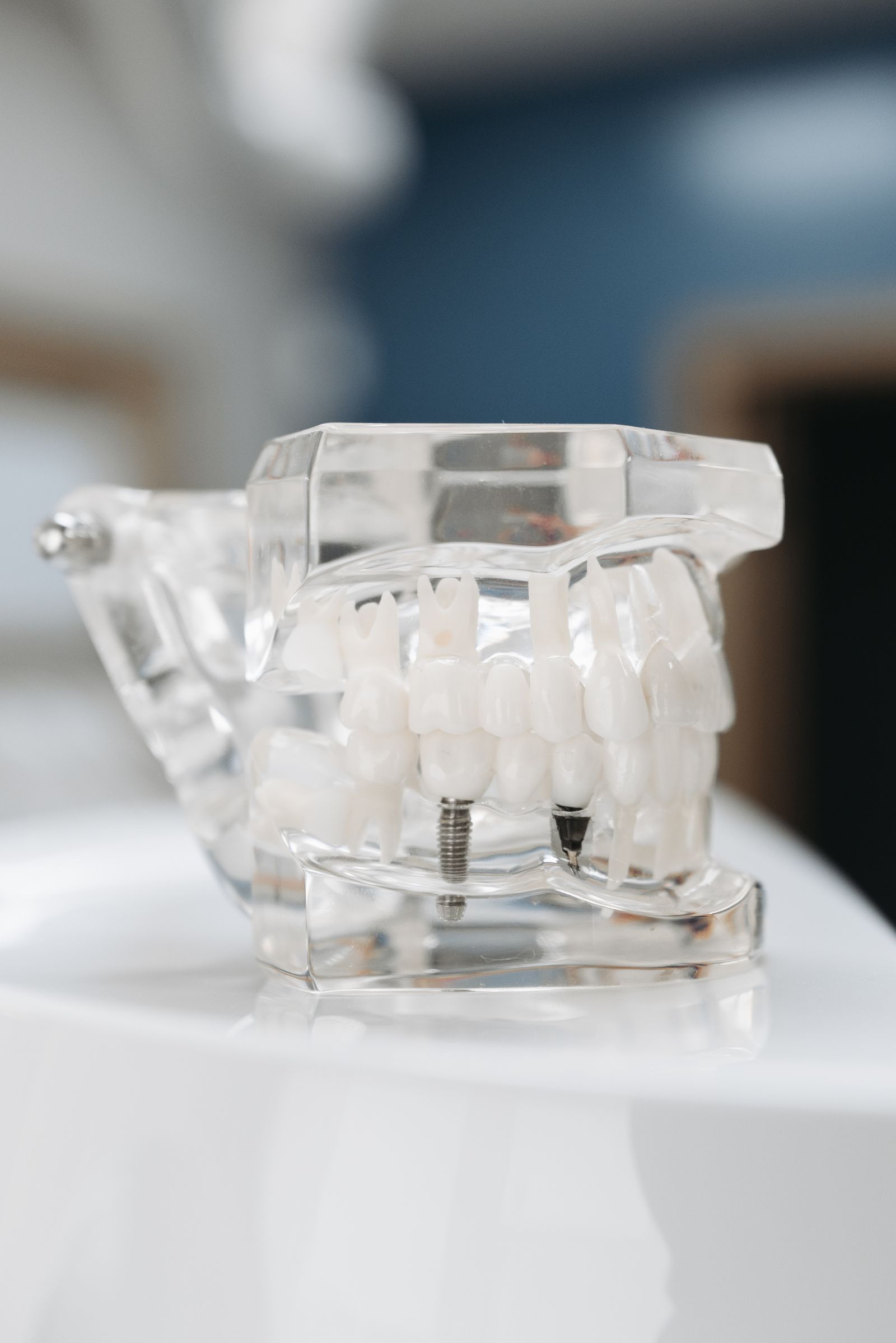
- Consultation and 3D scan to check bone and plan implant positions
- Implant placement, with numbing and sedation available
- Healing, usually a few months, often with a temporary option for appearance
- Final bridge custom-made and attached to the implants
- Regular maintenance to keep the implants and gums healthy
Caring for Any Bridge
- Clean under the bridge daily with a water flosser or floss threader
- Brush twice a day along the gumline
- Wear a night guard if you grind
- Keep regular checkups so we can check the supporting teeth or implants
Bridge FAQs
What is an implant-supported bridge?
It’s a fixed bridge that’s anchored to dental implants instead of natural teeth. It’s often used to replace three or more missing teeth in a row using two or more implants.
Is an implant-supported bridge better than a traditional bridge?
It’s often a stronger long-term choice because it doesn’t rely on neighboring teeth and helps preserve bone. A traditional bridge can still be the right fit when neighboring teeth already need crowns or implants aren’t an option.
How many implants do I need for a bridge?
Often two implants can support a bridge of three or four teeth. The exact number depends on how many teeth are missing, your bite and your bone.
How long do implant-supported bridges last?
With good care and regular checkups, the implants are designed to last many years, and the bridge may last 15 years or longer before needing replacement.
Can a bridge be attached to both an implant and a natural tooth?
It’s generally avoided, because implants and natural teeth move differently under biting forces. Bridges are usually supported by all implants or all natural teeth.
Find the Right Bridge for Your Smile
Call The Dental Center of Jefferson at (973) 663-4220 to schedule a consultation with Dr. Jabr. We welcome patients from across Sussex, Morris and Warren counties. Learn more about dental bridges and dental implants, or read how long dental bridges last.
About the author: Dr. Mostafa Jabr, DMD, is a general and restorative dentist and the owner of The Dental Center of Jefferson in Lake Hopatcong, NJ, where he helps patients from across North Jersey replace missing teeth with dental implants, bridges and full-arch treatment.
This article is for general education and isn’t a substitute for a personal exam. Every patient’s situation is different.