
All-on-X (also called All-on-4 or All-on-6) can be life-changing for people with missing or failing teeth. But like any surgery, it isn’t magic, and you deserve the full picture before you decide. At The Dental Center of Jefferson, Dr. Mostafa Jabr believes the best results start with honest conversations: what can go wrong, how we work to prevent it, and exactly what we do to fix it if it happens.
Some patients come to us unhappy after treatment elsewhere, and others simply want to know the risks before they commit. Either way, this guide is for you.
It All Starts with Your Medical History

Before we ever talk about teeth, we talk about you. Many implant complications can be traced back to health factors that weren’t identified or addressed before surgery. That’s why a complete medical review is the very first step at our office.
At your consultation, Dr. Jabr will review:
- Your full medical history, including any heart, blood or immune conditions
- Every medication and supplement you take, especially blood thinners and bone medications for osteoporosis or cancer, which can affect how bone heals
- Diabetes and blood sugar control, since poorly controlled diabetes slows healing and raises infection risk
- Smoking, vaping and alcohol use
- Past radiation therapy to the head or neck
- Your vitamin D level
Why vitamin D? Vitamin D plays a key role in bone health. A recent review published in Periodontology 2000 found a modest but clinically relevant link between low vitamin D and early implant failure, and suggested that bringing vitamin D up to a healthy level before surgery may support better healing. Research is still developing on the ideal levels and timing, but because vitamin D deficiency is common and easy to check, we may ask for recent blood work and work with your physician to correct a low level before surgery.
We also take a 3D CBCT scan to see your bone, nerves and sinuses in detail, so your plan is built on what’s really there.
Bad Habits That Put Your Implants at Risk
Your daily habits matter as much as the surgery itself. To protect your investment, we ask patients to avoid:
- Smoking and vaping. Smoking reduces blood flow to the gums and bone, slows healing and is one of the biggest risk factors for implant failure and gum infection around implants. We strongly encourage quitting before surgery and staying smoke-free afterward, and we’re happy to help you find support to quit.
- Chewing hard objects. Ice, hard candy, pens and fingernails can crack your teeth.
- Eating hard foods too soon. During healing, the soft diet protects implants while they bond to the bone.
- Untreated grinding or clenching. Nighttime grinding puts heavy force on the implants and bridge.
- Skipping cleaning and checkups. Implants need daily home care and regular professional maintenance.
- Heavy alcohol use, which can interfere with healing.
Common All-on-X Complications and How We Handle Them
1. Cracked or Chipped Teeth on the Bridge
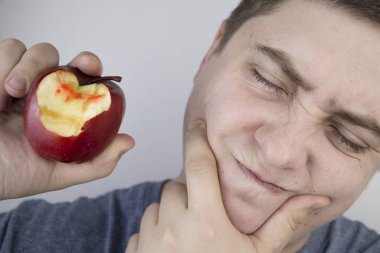
What it is: Biting force is the biggest everyday stress on your new teeth. Temporary teeth, worn while you heal, are especially prone to cracking if you chew hard foods too early or grind at night.
How we prevent it:
- Clear diet guidelines for every stage of healing
- Final teeth made from strong, durable materials designed for daily chewing
- A careful bite check so forces are spread evenly
- A custom night guard if you grind or clench
What we do if it happens:
- We examine the bridge and find out why it broke, whether it was bite, grinding or diet
- Small chips can often be repaired in the office
- If needed, we remake the bridge, usually without touching the implants
- We adjust your bite and add a night guard so it doesn’t happen again
2. Loose Screws
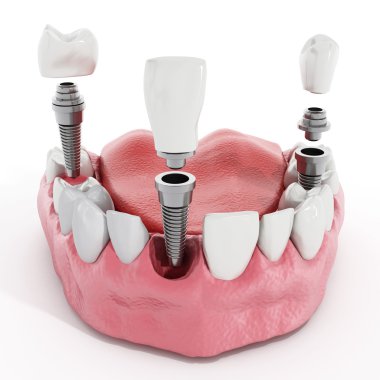
What it is: Your bridge is held to the implants with small screws. Over time, chewing forces can loosen one, and you may notice movement, clicking or a bad taste.
How we prevent it:
- Screws tightened to the manufacturer’s recommended setting
- A balanced bite to avoid overloading any one implant
- Regular checkups where we check that everything is secure
What we do if it happens:
- We remove the bridge, clean the area and inspect each implant
- We tighten or replace the screw
- We check your bite to find what caused it
- This is usually a quick visit, so call us right away if you notice movement
3. Gum Inflammation and Peri-implantitis
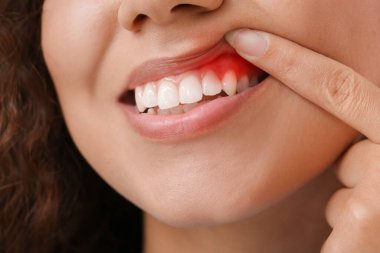
What it is: Implants can’t get cavities, but the gums and bone around them can become inflamed if plaque builds up. When this goes deeper and causes bone loss around an implant, it’s called peri-implantitis. Signs include bleeding, swelling, tenderness or pus around the implants.
How we prevent it:
- A bridge designed so you can clean under and around it
- Hands-on training in home care, including a water flosser
- Professional maintenance visits, often every 3 to 6 months
- Support to quit smoking, a major risk factor
What we do if it happens:
- Deep professional cleaning around the implants
- Removing the bridge to clean areas you can’t reach
- Antimicrobial rinses or medication when needed
- Close monitoring with follow-up visits and X-rays
- In advanced cases, surgical treatment to clean the implant surface and support the bone
4. An Implant That Doesn’t Integrate

What it is: Occasionally, an implant doesn’t fuse with the bone as planned, most often in the first few months. Smoking, uncontrolled diabetes, low vitamin D, certain medications and pressure on the implants during healing can all raise the risk.
How we prevent it:
- A full medical review, including vitamin D, before surgery
- 3D CBCT planning to place implants where the bone is strongest
- Following a soft diet and avoiding pressure during healing
- Close follow-up during the healing period
What we do if it happens:
- We remove the failed implant and let the area heal
- In many cases, we place a new implant once the bone is ready
- We adjust your bridge or plan so you’re not left without teeth
- We review what may have contributed, such as smoking or health factors, to protect the remaining implants
5. Speech Changes and an Adjustment Period

What it is: New teeth change how your tongue and lips move. Many patients notice a slight lisp or feel that their mouth is “full” at first.
How we prevent it:
- Designing your teeth with natural shape and size in mind
- Using your temporary teeth as a test drive for how your final teeth should look, feel and sound
What we do if it happens:
- Most people adapt within a few weeks, and reading out loud helps
- If something still doesn’t feel right, we adjust the shape of the bridge
- Your final teeth are fine-tuned based on your feedback
6. Food Trapping Under the Bridge

What it is: Because the bridge sits over your gums, small food particles can get trapped underneath.
How we prevent it:
- Shaping the underside of the bridge so it can be cleaned easily
- Showing you exactly how to clean it at home
What we do if it happens:
- Daily use of a water flosser to flush the area
- If food trapping continues, we reshape or adjust the bridge
7. Healing Discomfort, Swelling and Numbness

What it is: Swelling, bruising and soreness are normal for the first several days after surgery. In rare cases, nearby nerves or the sinuses can be affected, causing temporary numbness or sinus symptoms.
How we prevent it:
- 3D planning to map nerves and sinuses and keep a safe distance
- Clear written post-surgery instructions
- Medication as needed to manage discomfort and swelling
What we do if it happens:
- We check on you after surgery and see you for follow-up visits
- If you have numbness or sinus symptoms, we evaluate you promptly and monitor healing
- When needed, we coordinate with specialists
- You’ll always have a way to reach us if something doesn’t feel right
Setting Real Expectations
Dr. Jabr wants every patient to go in with eyes open. Here’s what All-on-X really looks like:
- It’s a process, not a single day. Most patients wear temporary teeth for several months while the implants heal, then receive their final, stronger teeth.
- A soft diet comes first. Your patience in these months pays off for years.
- There’s an adjustment period. Speaking, chewing and the feel of your new teeth take some getting used to.
- Maintenance is for life. Daily cleaning at home and regular professional checkups are a must.
- Parts can wear over time. The bridge may need repairs or replacement years down the road. That’s normal, and it’s planned for.
- Your health and habits matter. Smoking, uncontrolled diabetes, low vitamin D and grinding can all affect results.

Unhappy with Implants Done Elsewhere?
If you already have All-on-X or other implants and something doesn’t feel right, such as loose teeth, sore gums, bleeding, broken teeth or a bite that feels off, don’t wait. Many problems are much easier to fix when they’re caught early. Dr. Jabr will examine you, take a 3D scan if needed, explain what’s going on and walk you through your options.
Talk It Through with Dr. Jabr
The right decision is an informed one. Call The Dental Center of Jefferson at (973) 663-4220 to schedule a consultation, or learn more about All-on-4 dental implants. We’re at 28 Bowling Green Parkway, Suite 2B, in Lake Hopatcong, serving Jefferson and the surrounding communities.
This article is for general education and isn’t a substitute for a personal exam. Every patient’s situation is different.

About the author: Dr. Mostafa Jabr, DMD
Dr. Jabr is the owner and lead dentist at The Dental Center in Lake Hopatcong, NJ. He earned his dental degree from the University of Pennsylvania and has advanced training in oral surgery, endodontics, dental implants and full-arch (All-on-X) restoration.
Book a consultation or call (973) 663-4220.