
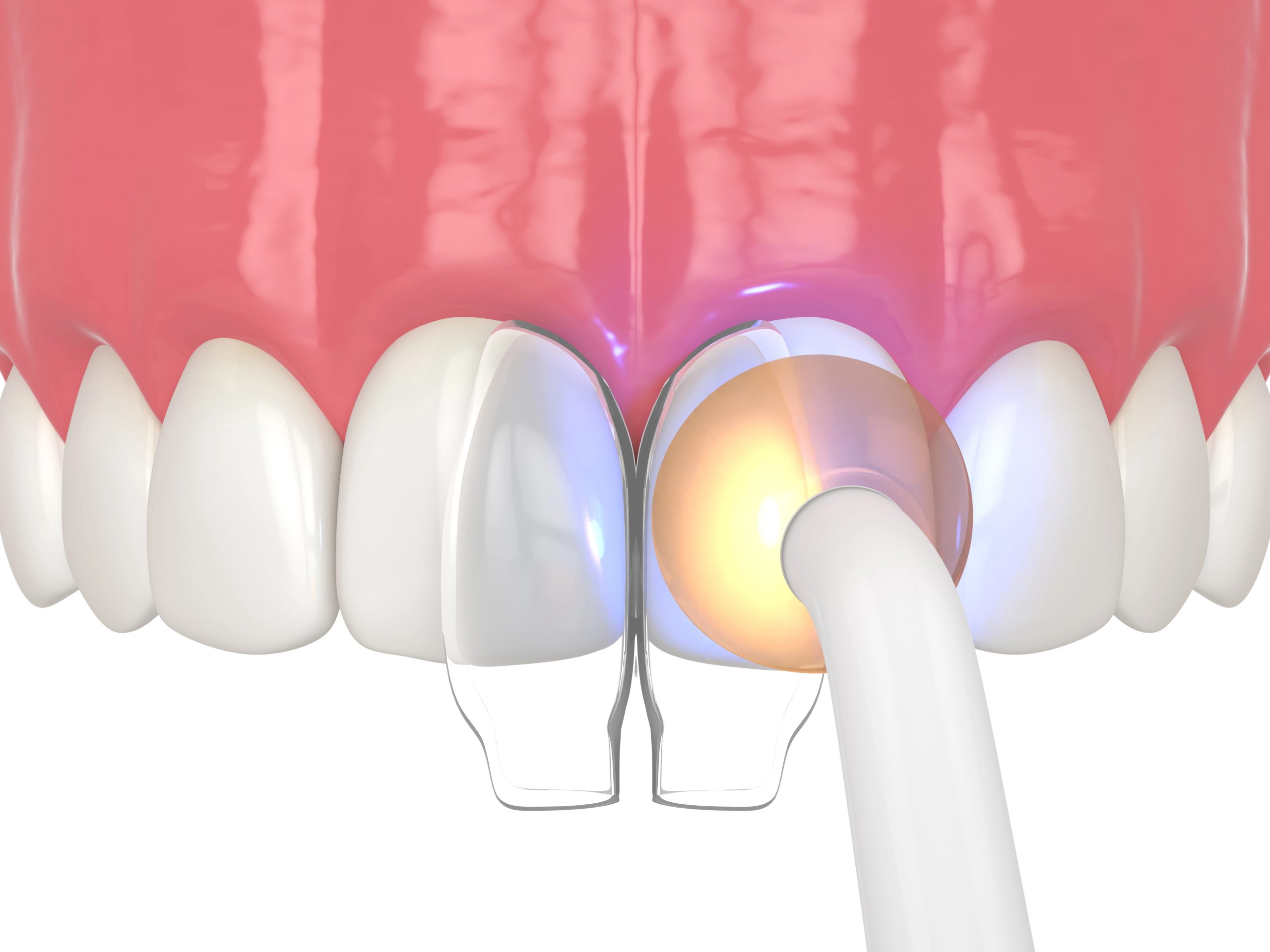
Cosmetic Tooth Bonding vs Veneers
Understanding Cosmetic Tooth Bonding
Cosmetic tooth bonding vs veneers is a common consideration for those looking to enhance their smile. Cosmetic tooth bonding involves applying a tooth-colored resin to the surface of the teeth to improve their appearance. This procedure is often used to repair chipped, cracked, or discolored teeth, providing a natural look that blends seamlessly with the surrounding teeth. The bonding material is carefully shaped and polished to match the existing teeth, offering a quick and effective solution for minor dental imperfections.
In the debate of cosmetic tooth bonding vs veneers, it’s important to understand that bonding is typically less invasive and can be completed in a single visit. This makes it an attractive option for individuals seeking immediate results without extensive dental work. For more information on how bonding can address specific dental issues, explore our detailed guide on Cosmetic Bonding for Chipped Front Tooth: Restore Your Confidence.
Exploring Veneers for Teeth
Veneers are a popular choice for those looking to enhance their smile, offering a durable and aesthetically pleasing solution. These thin shells, typically made from porcelain or composite resin, are custom-designed to fit over the front surface of teeth, providing a natural and attractive appearance. When considering cosmetic tooth bonding vs veneers, many find that veneers offer a more permanent and stain-resistant option, making them a favored choice for long-term results.
While both cosmetic tooth bonding and veneers aim to improve the appearance of teeth, veneers often provide a more comprehensive transformation. They can address a variety of dental imperfections, such as discoloration, chips, and gaps, with a seamless finish. For those interested in learning more about the differences between these two options, visiting the Lake Hopatcong Cosmetic Dental Bonding page can provide additional insights into how each method can enhance your smile.
Comparing Aesthetic Outcomes
When evaluating cosmetic tooth bonding vs veneers, the aesthetic outcomes of each option can vary significantly. Cosmetic tooth bonding typically involves applying a tooth-colored resin to the surface of the teeth, which can effectively address minor imperfections and enhance the natural appearance of the teeth. On the other hand, veneers are thin shells that cover the front surface of the teeth, offering a more uniform and polished look. While both methods aim to improve the visual appeal of one’s smile, the choice between cosmetic tooth bonding vs veneers often depends on individual preferences and the specific dental concerns being addressed.
Durability and Longevity Factors
When considering cosmetic tooth bonding vs veneers, understanding the durability and longevity of each option is crucial. Cosmetic tooth bonding typically involves applying a resin material to the teeth, which can last several years with proper care but may be more susceptible to chipping or staining over time. Veneers, on the other hand, are thin shells made from porcelain or composite materials that are bonded to the front of the teeth, offering a more durable and stain-resistant solution that can last over a decade. Both options have their own lifespan and maintenance requirements, which can influence a patient’s choice based on their lifestyle and dental habits. For more information on these options, visit The Dental Center at Lake Hopatcong Dentist.
Cost Considerations
When evaluating cosmetic tooth bonding versus veneers, cost is a significant factor to consider. Generally, tooth bonding tends to be more affordable than veneers, making it an attractive option for those on a budget. However, the longevity and durability of veneers might justify their higher price for some individuals. It’s important to weigh the initial investment against potential long-term benefits and maintenance costs associated with each option. Ultimately, the choice between bonding and veneers should align with one’s financial situation and desired outcome.
Procedure Time and Complexity
When considering cosmetic tooth bonding vs veneers, understanding the procedure time and complexity is crucial. Cosmetic tooth bonding typically involves a quicker process, often completed in a single visit, as it requires applying a composite resin directly to the tooth’s surface. In contrast, veneers usually demand a more intricate approach, often necessitating multiple appointments. This is due to the need for custom fabrication and precise fitting of the thin porcelain shells. The complexity of veneers can also involve more extensive preparation of the tooth structure, making the overall process lengthier compared to cosmetic tooth bonding.
Suitability for Different Dental Issues
When considering cosmetic tooth bonding vs veneers, it’s important to understand their suitability for various dental issues. Cosmetic tooth bonding is often chosen for minor imperfections such as small chips, gaps, or discoloration, providing a quick and less invasive solution. On the other hand, veneers are typically used for more significant aesthetic concerns, including severe discoloration, larger gaps, or misshapen teeth, offering a more comprehensive transformation. Both options serve different purposes depending on the specific dental needs and desired outcomes.
Maintenance and Care Requirements
When considering cosmetic tooth bonding vs veneers, understanding the maintenance and care requirements is crucial for long-term satisfaction. Both options require regular dental check-ups to ensure their longevity and appearance. Cosmetic tooth bonding may need more frequent touch-ups due to its susceptibility to staining and chipping, while veneers, being more durable, generally require less maintenance but still need proper oral hygiene to prevent gum issues. Regular brushing and flossing are essential for both to maintain their aesthetic appeal and functionality over time.
Potential Risks and Side Effects
When considering cosmetic tooth bonding vs veneers, it’s important to be aware of potential risks and side effects associated with each option. Cosmetic tooth bonding may lead to issues such as discoloration over time, chipping, or wear due to its less durable nature compared to veneers. On the other hand, veneers, while more resilient, require the removal of a small amount of enamel, which is irreversible and can increase tooth sensitivity. Both procedures carry the risk of an allergic reaction to materials used, though this is rare. Understanding these potential risks is crucial when evaluating cosmetic tooth bonding vs veneers for enhancing your smile.
Conclusion
Deciding between cosmetic tooth bonding vs veneers can be challenging, but understanding your options is key. For more information, call us at (973) 663-4220 or check out our Google reviews.