

You just finished a root canal and the pain is finally gone. Then your dentist mentions you need a crown, and you wonder: is that really necessary, or is it just an extra cost? It’s one of the most common questions we hear.
At The Dental Center of Jefferson in Lake Hopatcong, Dr. Mostafa Jabr explains exactly why a crown is usually recommended after a root canal, when it might not be needed, and what happens if you wait.
Why Teeth Often Need a Crown After a Root Canal

A root canal removes infected or inflamed tissue from inside the tooth, which saves the tooth from extraction. But by the time a tooth needs a root canal, it has often already been weakened by a large cavity, an old filling or a crack. The root canal itself also requires an opening through the top of the tooth.
The result is a tooth that’s no longer infected, but structurally weaker and more brittle than a healthy tooth. A crown covers and protects the whole tooth, like a helmet, so it can handle everyday chewing.
Back Teeth vs. Front Teeth
Molars and Premolars
Back teeth do most of the heavy chewing. Because of the forces they handle, molars and premolars that have had a root canal usually need a crown to prevent cracking. Research has consistently shown that back teeth restored with crowns after root canals tend to survive longer than those without.
Front Teeth
Front teeth carry less force. If a front tooth has a lot of healthy structure left after the root canal, a well-placed filling may be enough. A crown may still be recommended if the tooth is weak, heavily filled or discolored.
Signs You May Need a Crown Sooner
- Your temporary filling feels rough, loose or is wearing away
- You feel sensitivity or discomfort when biting
- The tooth had a large cavity or old filling before the root canal
- You grind or clench your teeth
- The tooth looks darker than your other teeth
What Happens If You Don’t Get a Crown?
The temporary filling placed after a root canal isn’t meant to last. Without a final restoration, bacteria can leak back into the tooth, and the weakened tooth is at risk of cracking. A crack that extends below the gumline can mean the tooth can’t be saved, and you may need an extraction followed by an implant or bridge, which is more involved and more costly than the crown would have been.

The Crown Process at Our Office
- Evaluation. We check the tooth, your bite and the root canal on an X-ray.
- Rebuilding the core. If needed, we place a buildup to restore the missing tooth structure, and sometimes a post for extra support.
- Preparing the tooth. The tooth is shaped so the crown fits securely. Because the nerve has been removed, most patients feel very little.
- Impressions or digital scan. We capture the exact shape of your tooth and bite.
- Temporary crown. You wear a temporary while your permanent crown is made.
- Final crown. We check the fit, color and bite, then cement it in place.
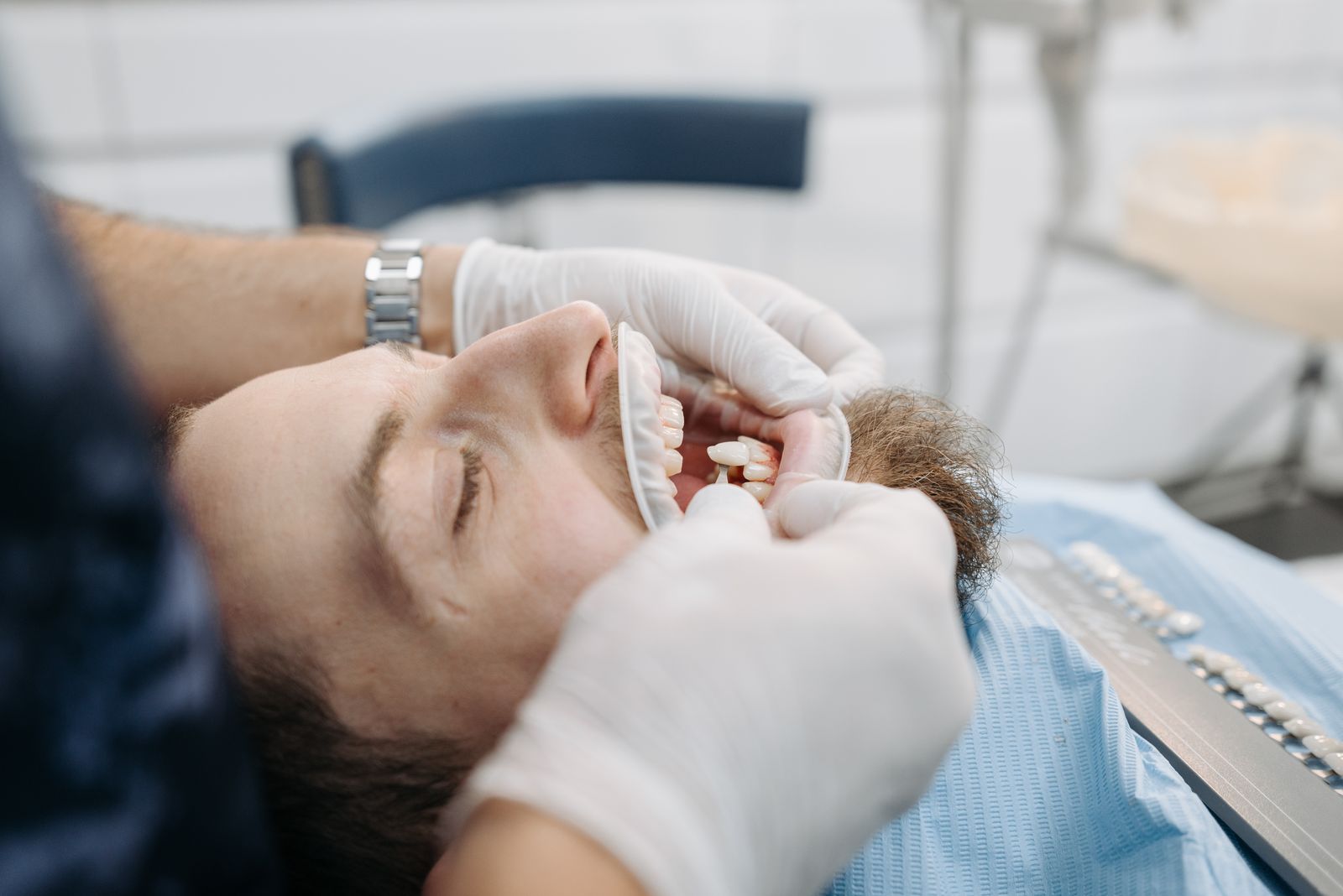
Choosing the Right Crown Material
Crowns for root canal teeth are commonly made from strong, tooth-colored materials such as zirconia or porcelain (ceramic). Zirconia is extremely strong and a great choice for back teeth, while porcelain offers excellent appearance for front teeth. Dr. Jabr will recommend the best material based on the tooth’s location, your bite and your goals. Learn more about metal-free crown options.
How to Protect Your Crown
- Brush twice a day and floss daily, especially along the gumline
- Avoid chewing ice, hard candy, pens or fingernails
- Wear a night guard if you grind or clench
- Keep your regular checkups so we can catch any issues early

Crown After Root Canal FAQs
Do front teeth need a crown after a root canal?
Not always. Front teeth carry less chewing force, so if the tooth has plenty of healthy structure left, a filling may be enough. If the tooth is weakened or discolored, a crown may be recommended.
How soon after a root canal should I get a crown?
Usually within a few weeks. The temporary filling placed after a root canal isn’t designed to last, and waiting too long increases the risk of the tooth cracking or getting reinfected.
What happens if I don’t get a crown after a root canal?
A back tooth without a crown is more likely to crack or fracture. If the crack goes below the gumline, the tooth may not be savable and could need to be removed.
Is getting a crown painful after a root canal?
Most patients feel very little, because a tooth that has had a root canal no longer has a live nerve. The gums are numbed for comfort during the crown preparation.
How long does a crown last on a root canal tooth?
With good home care and regular checkups, crowns typically last many years. Avoiding chewing ice or hard objects and wearing a night guard if you grind helps them last longer.
Protect Your Tooth with a Crown
If you’ve had a root canal and still have a temporary filling, don’t wait. Call The Dental Center of Jefferson at (973) 663-4220 to schedule your crown appointment with Dr. Jabr. We welcome patients from across Sussex, Morris and Warren counties. Learn more about our dental crowns and root canal therapy, or read about crowns for cracked teeth.
About the author: Dr. Mostafa Jabr, DMD, is a general and restorative dentist and the owner of The Dental Center of Jefferson in Lake Hopatcong, NJ, where he helps patients from across North Jersey protect and restore their teeth with crowns, root canal care and dental implants.
This article is for general education and isn’t a substitute for a personal exam. Every patient’s situation is different.