
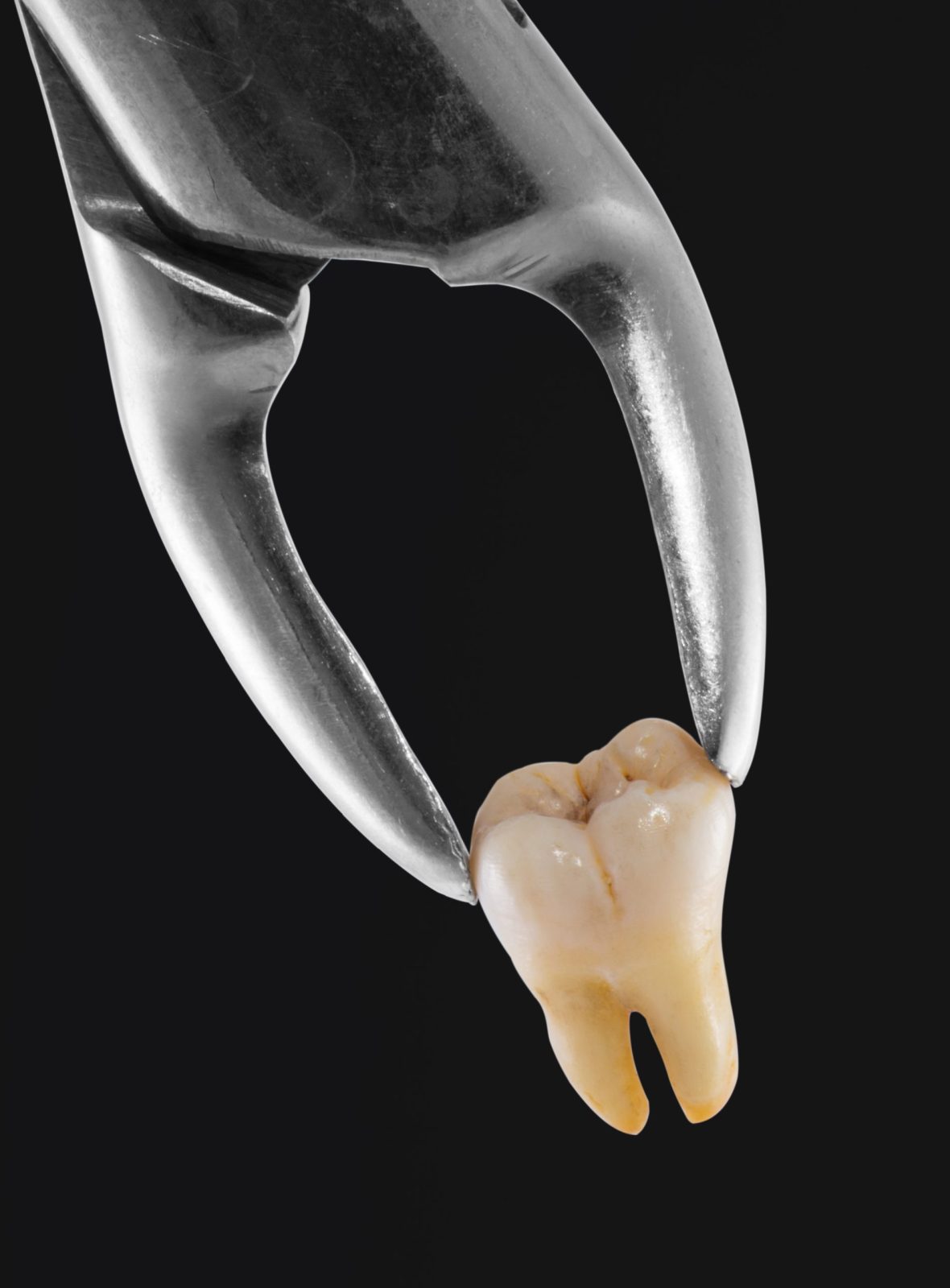
Tooth extraction for baby teeth
Understanding the development of baby teeth is crucial when considering tooth extraction for baby teeth. Baby teeth, also known as primary teeth, typically begin to emerge around six months of age and continue to develop until about age three. These teeth play a vital role in a child’s oral health by aiding in proper chewing, speech development, and maintaining space for permanent teeth. As children grow, their primary teeth naturally loosen and fall out to make way for adult teeth. However, there are instances where tooth extraction for baby teeth may be necessary due to issues such as overcrowding, decay, or infection.
The timing and necessity of tooth extraction for baby teeth can vary based on individual circumstances. It’s important to understand that each child’s dental development is unique, and factors such as the alignment of incoming permanent teeth and the health of existing baby teeth can influence the decision. In some cases, early removal of a baby tooth can prevent potential complications with the alignment of permanent teeth. For more information on the process and considerations involved, you can read about What to Expect from Tooth Extraction with Sedation Options.
Common Reasons for Extraction
Tooth extraction for baby teeth can become necessary for several reasons. One common reason is severe tooth decay that cannot be treated with a filling or other dental procedures. When decay progresses to the point where it affects the tooth’s structure and function, extraction may be the best option to prevent further oral health issues. Additionally, baby teeth might need to be removed if they are causing overcrowding, which can affect the alignment of permanent teeth as they emerge.
Another reason for tooth extraction for baby teeth is when a tooth becomes damaged due to trauma or injury. In some cases, a baby tooth may not fall out naturally, even when the permanent tooth is ready to erupt. This can lead to misalignment and other dental complications. If you’re considering this procedure, you might want to learn more about professional options like Tooth Removal In Lake Hopatcong.
Signs of Dental Issues
Tooth extraction for baby teeth may become necessary when certain signs of dental issues are present. These signs can include persistent pain, swelling, or redness in the gums, which might indicate an underlying problem. Additionally, if a baby tooth is severely decayed or damaged, it could lead to complications that necessitate removal. Misalignment or overcrowding of teeth can also be a factor, as these conditions might affect the proper eruption of permanent teeth. Observing these signs early can help in determining whether tooth extraction for baby teeth is the appropriate course of action.
Impact on Oral Health
Tooth extraction for baby teeth can significantly influence a child’s oral health, as it may affect the alignment of permanent teeth and the overall development of the jaw. When a baby tooth is removed prematurely, it can lead to spacing issues, potentially causing crowding or misalignment of the adult teeth. This can impact chewing efficiency and even speech development. It’s essential to consider these factors when evaluating the need for tooth extraction for baby teeth. For more information on maintaining your child’s oral health, visit The Dental Center at Lake Hopatcong Dentist.
Role of Pediatric Dentists
Pediatric dentists play a crucial role in determining when tooth extraction for baby teeth is necessary. These specialized dental professionals are trained to assess the oral health of children and make informed decisions regarding the timing and need for extractions. They consider various factors such as the child’s age, the development of permanent teeth, and any potential complications that may arise from retaining baby teeth longer than necessary. By evaluating each child’s unique dental situation, pediatric dentists ensure that tooth extraction for baby teeth is performed only when it is the most appropriate course of action for maintaining optimal oral health.
Natural Tooth Loss Timeline
Understanding the natural tooth loss timeline is essential when considering tooth extraction for baby teeth. Typically, children begin to lose their baby teeth around the age of six, with the process continuing until about age 12. This timeline can vary slightly from child to child, but it generally follows a predictable pattern where the front teeth are lost first, followed by the molars. Recognizing this natural progression helps in determining whether tooth extraction for baby teeth is necessary or if the teeth will fall out on their own as part of the normal developmental process.
Potential Complications of Extraction
Tooth extraction for baby teeth, while generally safe, can sometimes lead to potential complications. These may include bleeding, infection, or swelling at the extraction site. In some cases, there might be damage to surrounding teeth or tissues. Additionally, if a baby tooth is removed prematurely, it could affect the alignment of permanent teeth as they emerge. It’s important to monitor the healing process and be aware of any unusual symptoms that may arise following the procedure.
Emotional Impact on Children
Tooth extraction for baby teeth can have a significant emotional impact on children, as it may be their first experience with a dental procedure. The anticipation of the extraction can lead to feelings of anxiety or fear, which are natural responses to the unknown. It’s important to acknowledge that each child may react differently, with some feeling nervous about the process and others being more curious. Understanding these emotions can help in providing the necessary support and reassurance to make the experience as comfortable as possible for the child.
Preparing for Dental Visits
When considering tooth extraction for baby teeth, preparing for dental visits is an essential step in the process. Understanding what to expect during these appointments can help ease any concerns and ensure a smooth experience. Dental professionals will assess the condition of the baby teeth and determine if extraction is necessary, taking into account factors such as the child’s age, dental health, and the development of permanent teeth. Being informed about the procedure and maintaining open communication with the dental team can contribute to a positive outcome for both the child and their caregivers.
Conclusion
If you have questions about tooth extraction for baby teeth, call us at (973) 663-4220 or check out our Google Maps reviews.