
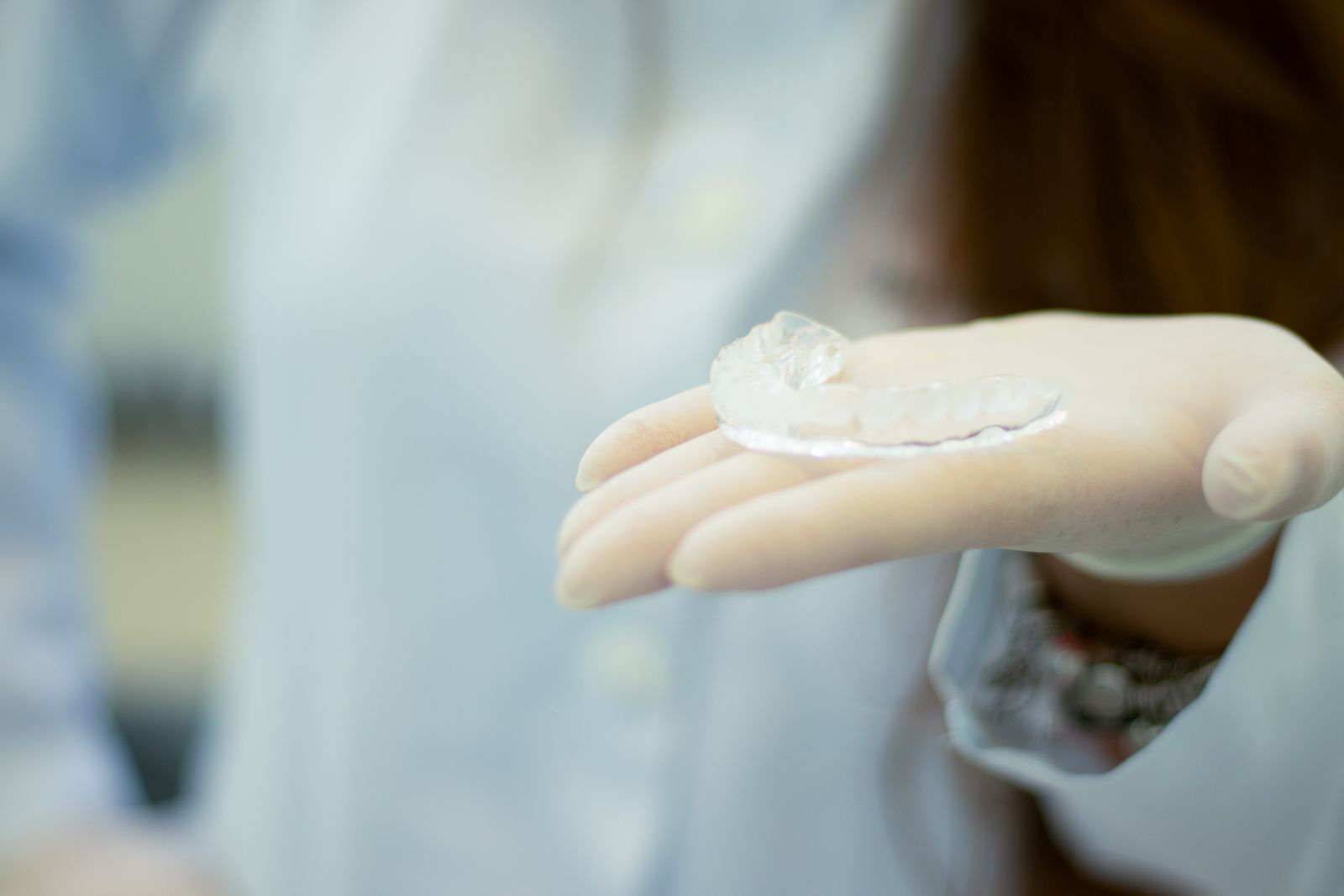
Do you wake up with a sore jaw or a headache? Are your teeth looking shorter, flatter or more chipped than they used to? You may be grinding or clenching your teeth while you sleep, a condition called bruxism. Many people do it without knowing.
At The Dental Center of Jefferson in Lake Hopatcong, Dr. Mostafa Jabr often recommends a custom night guard to protect teeth, dental work and jaw joints. Here’s how to tell if you need one.
Signs You May Be Grinding Your Teeth

- Morning headaches, especially around the temples
- Sore or tired jaw muscles when you wake up
- Worn, flattened, chipped or cracked teeth
- Tooth sensitivity to hot and cold
- Clicking or popping in the jaw joint
- A partner hearing grinding at night
- Ridges on the inside of your cheeks or scalloped edges on your tongue
- Broken fillings, crowns or veneers
What Causes Teeth Grinding?

- Stress and anxiety
- Sleep issues, including snoring and sleep apnea
- An uneven bite
- Caffeine, alcohol and smoking
- Certain medications
If you snore or feel tired even after a full night’s sleep, mention it at your visit, since grinding is sometimes linked to sleep-disordered breathing.
Why Grinding Is a Problem
Grinding forces can be many times stronger than normal chewing. Over time, this can wear down enamel, crack teeth, cause gum recession, strain the jaw joints and break dental work. If you have crowns, veneers, bridges or implants, grinding can shorten their life considerably.
How a Custom Night Guard Helps

A night guard is a thin, custom-fitted appliance you wear while you sleep. It places a protective layer between your upper and lower teeth, so the guard takes the wear instead of your teeth.
- Protects enamel from grinding and wear
- Protects dental work like crowns, veneers, bridges and implants
- Reduces jaw strain and morning soreness for many patients
- Can ease tension headaches linked to clenching
Custom vs. Store-Bought Night Guards
| Custom night guard | Store-bought guard | |
|---|---|---|
| Fit | Made from a scan or impression of your teeth | Generic or boil-and-bite |
| Comfort | Thin and precise | Often bulky |
| Stays in place | Yes | May loosen at night |
| Bite balance | Adjusted by your dentist | Not adjusted |
| Durability | Typically several years | Often wears out quickly |
Getting a Night Guard at Our Office
- Exam to check for wear, jaw tenderness and bite issues
- Impressions or a digital scan of your teeth
- Your custom guard is made to fit
- Fitting and bite adjustment so it’s comfortable and balanced
- Follow-up checks at your regular visits
Night Guards for Patients With Dental Work
Grinding is one of the biggest threats to porcelain and implant restorations. If you have veneers, crowns, bridges or All-on-4 implants, a night guard helps protect your investment.
Night Guard FAQs
How do I know if I grind my teeth at night?
Common signs include morning headaches, jaw soreness, worn or flattened teeth, chipped teeth, sensitivity and a partner hearing grinding sounds. Your dentist can also spot wear patterns during an exam.
Is a custom night guard better than a store-bought one?
Usually, yes. A custom guard is made from a precise impression or scan of your teeth, so it fits better, is more comfortable, stays in place and is more durable. Ill-fitting store guards can be bulky and may not protect your teeth evenly.
How long does a night guard last?
Many custom night guards last several years, depending on how heavily you grind. Bring it to your checkups so we can check it for wear.
Can a night guard help TMJ pain?
For many people, a night guard reduces the strain on the jaw joints and muscles from clenching and grinding, which can ease jaw pain. TMJ problems can have several causes, so an exam is important.
Do I need a night guard if I have crowns, veneers or implants?
If you grind or clench, a night guard is strongly recommended. Grinding can chip or crack porcelain, loosen implant parts and shorten the life of your dental work.
How do I clean my night guard?
Rinse it after each use, brush it gently with a soft toothbrush and cool water, let it air dry and store it in its case. Avoid hot water, which can warp it.
Protect Your Teeth While You Sleep
If you notice signs of grinding, call The Dental Center of Jefferson at (973) 663-4220 to schedule an exam with Dr. Jabr. We welcome patients from across Sussex, Morris and Warren counties. Learn more about our TMJ treatment.
About the author: Dr. Mostafa Jabr, DMD, is a general and restorative dentist and the owner of The Dental Center of Jefferson in Lake Hopatcong, NJ, where he helps patients from across North Jersey protect their teeth and dental work with night guards, restorative dentistry and dental implants.
This article is for general education and isn’t a substitute for a personal exam. Every patient’s situation is different.