
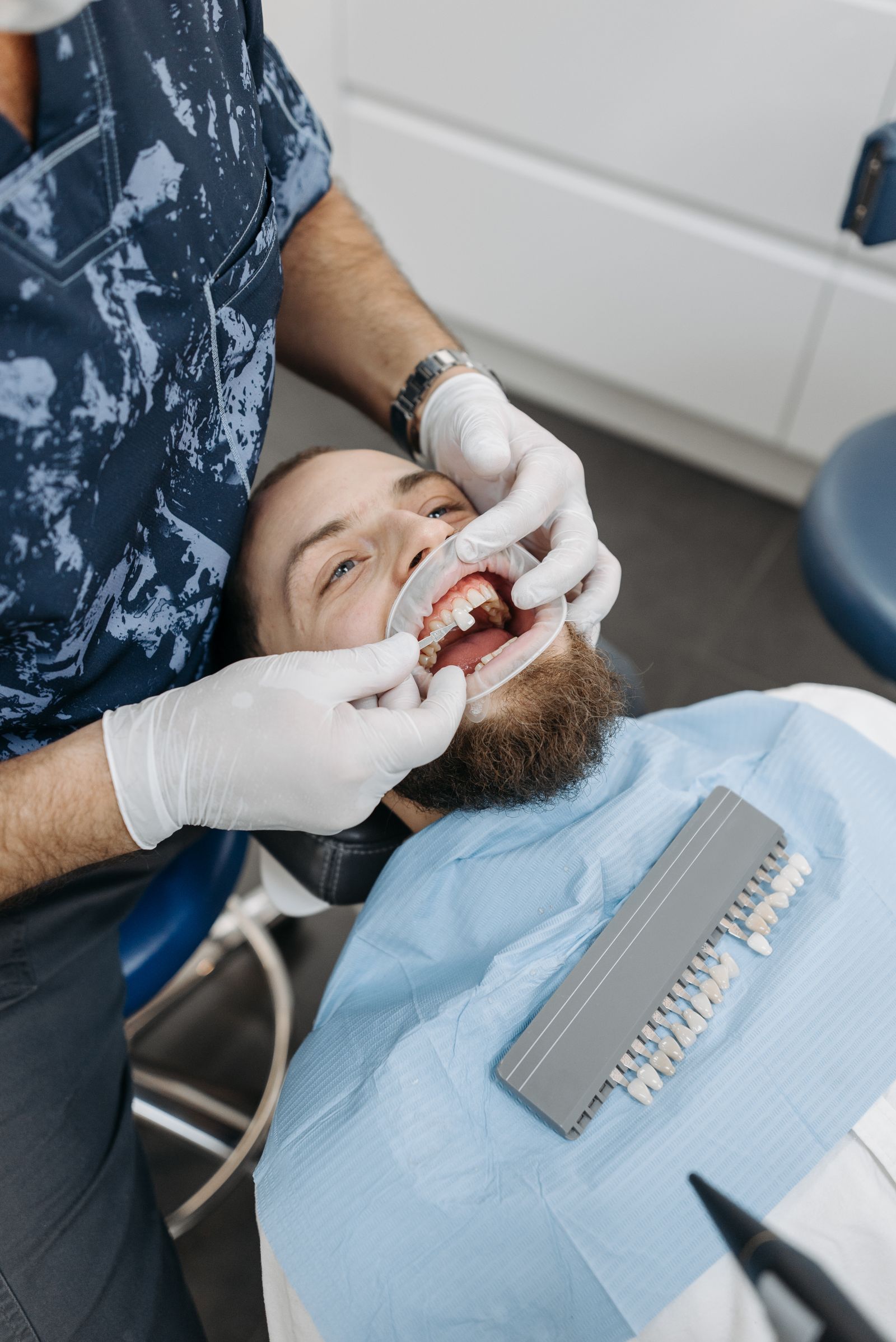
Dental crowns are designed to be strong and long-lasting, but they don’t last forever. Knowing how long a crown should last, and the signs that it needs attention, can help you avoid pain, decay under the crown and more involved treatment.
At The Dental Center of Jefferson in Lake Hopatcong, Dr. Mostafa Jabr checks every crown at your routine visits. Here’s what to expect from your crowns over time.
How Long Do Crowns Usually Last?
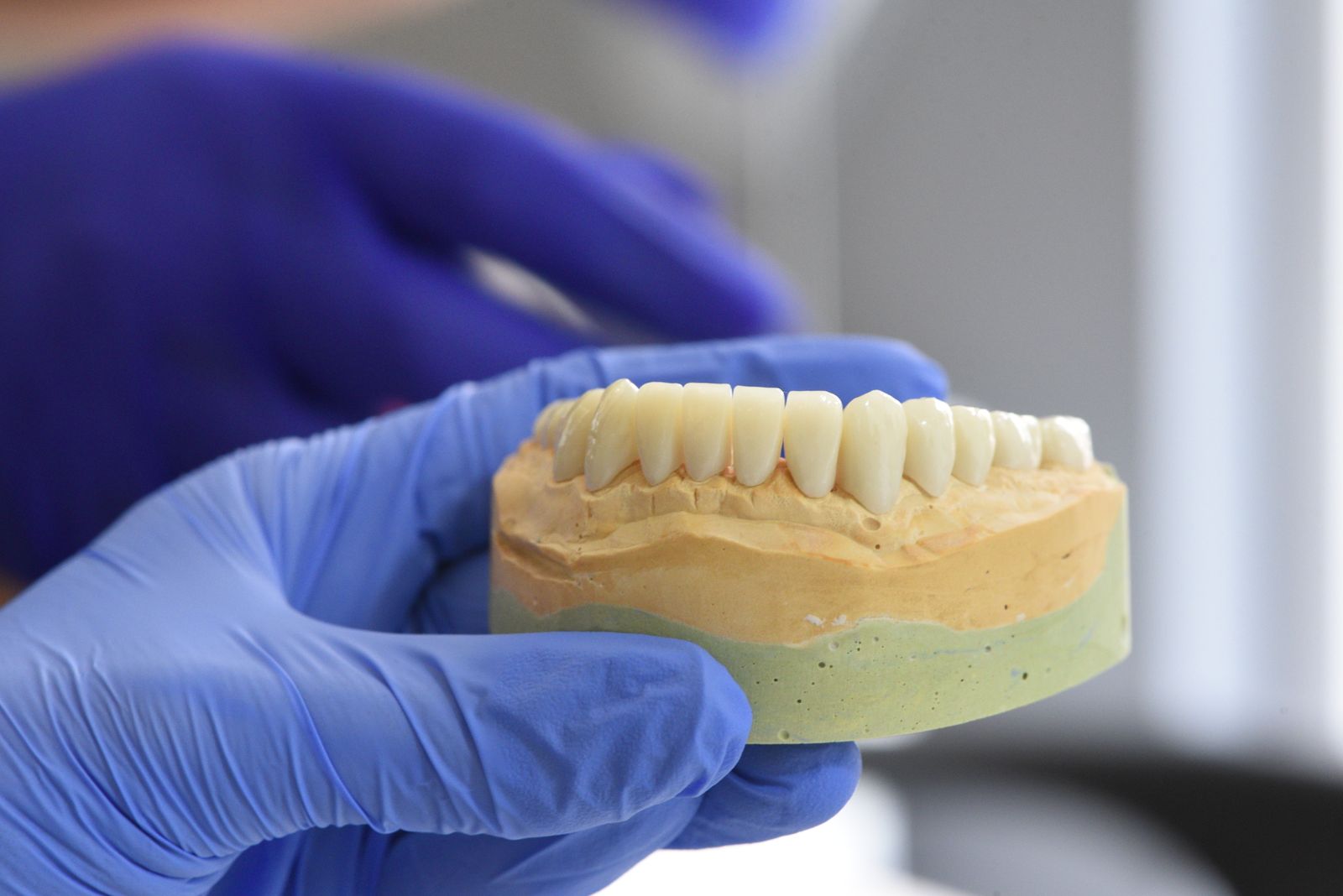
Most crowns last about 10 to 15 years, and many last much longer. How long yours lasts depends on several things:
- Material. Zirconia and gold are extremely durable. Porcelain and ceramic offer beautiful appearance and good strength. Older porcelain-fused-to-metal crowns can chip or show a dark line over time.
- Location. Back teeth handle more chewing force than front teeth.
- Your bite and habits. Grinding, clenching and chewing ice or hard objects shorten a crown’s life.
- Oral hygiene. Decay at the edge of the crown is one of the most common reasons crowns fail.
- Fit and quality. A precise fit seals the tooth and protects it.
7 Signs Your Crown May Need Replacing
- Pain or sensitivity when biting or with hot and cold, which can signal decay or a problem underneath
- A loose crown or a crown that moves when you chew
- Chips or cracks in the crown’s surface
- A dark line near the gumline, common with older metal-based crowns
- Receding gums exposing the edge of the crown or the tooth root
- Food catching or a bad taste around the crown
- A worn or uneven bite that feels different than before
Some problems, like decay under a crown, don’t hurt until they’re advanced. That’s why routine X-rays and exams matter.
What Happens When a Crown Is Replaced

- Exam and X-ray. We check the crown, the tooth beneath and the surrounding gums and bone.
- Removing the old crown. The area is numbed for comfort.
- Treating the tooth. Any decay is removed and the tooth is rebuilt if needed. If the nerve is affected, a root canal may be recommended.
- A new crown. We capture the tooth’s shape and make a new crown, often in a strong, metal-free material.
- Final fit. We check the fit, color and bite before cementing it in place.
If a tooth has had a root canal, a crown is especially important. Learn why in Do You Need a Crown After a Root Canal?
Choosing a Material for Your New Crown
Replacement is a chance to upgrade. Many patients replace older metal-based crowns with modern, tooth-colored options that look more natural and avoid dark lines at the gum. Read more about metal-free crown options and crowns for front teeth.
How to Make Your Crowns Last Longer

- Brush twice a day and floss daily, especially where the crown meets the gumline
- Wear a night guard if you grind or clench
- Avoid chewing ice, hard candy, pens and fingernails
- Don’t use your teeth to open packages
- Keep your regular checkups so we can spot problems early

Dental Crown FAQs
How long does a dental crown last?
Most crowns last about 10 to 15 years, and many last longer with good care. Zirconia and gold crowns tend to be the most durable, while lifespan also depends on your bite, habits and oral hygiene.
Can a crown get a cavity?
The crown itself can’t decay, but the natural tooth underneath can, especially along the edge where the crown meets the tooth. Brushing, flossing and regular checkups help prevent this.
Can a crown be repaired instead of replaced?
Small chips in porcelain can sometimes be smoothed or repaired. But if the crown is cracked, loose, leaking or has decay underneath, it usually needs to be replaced.
Does replacing a crown hurt?
Most patients feel little discomfort. The area is numbed, the old crown is removed, the tooth is checked and cleaned, and a new crown is made to fit.
What should I do if my crown falls off?
Keep the crown, call your dentist promptly and avoid chewing on that side. Don’t try to glue it back with household adhesives. In many cases it can be recemented if the tooth underneath is healthy.
Have a Crown Checked
If your crown is old, loose, sore or chipped, don’t wait. Call The Dental Center of Jefferson at (973) 663-4220 to schedule an exam with Dr. Jabr. We welcome patients from across Sussex, Morris and Warren counties. Learn more about our dental crowns.
About the author: Dr. Mostafa Jabr, DMD, is a general and restorative dentist and the owner of The Dental Center of Jefferson in Lake Hopatcong, NJ, where he helps patients from across North Jersey protect and restore their teeth with crowns, root canal care and dental implants.
This article is for general education and isn’t a substitute for a personal exam. Every patient’s situation is different.