
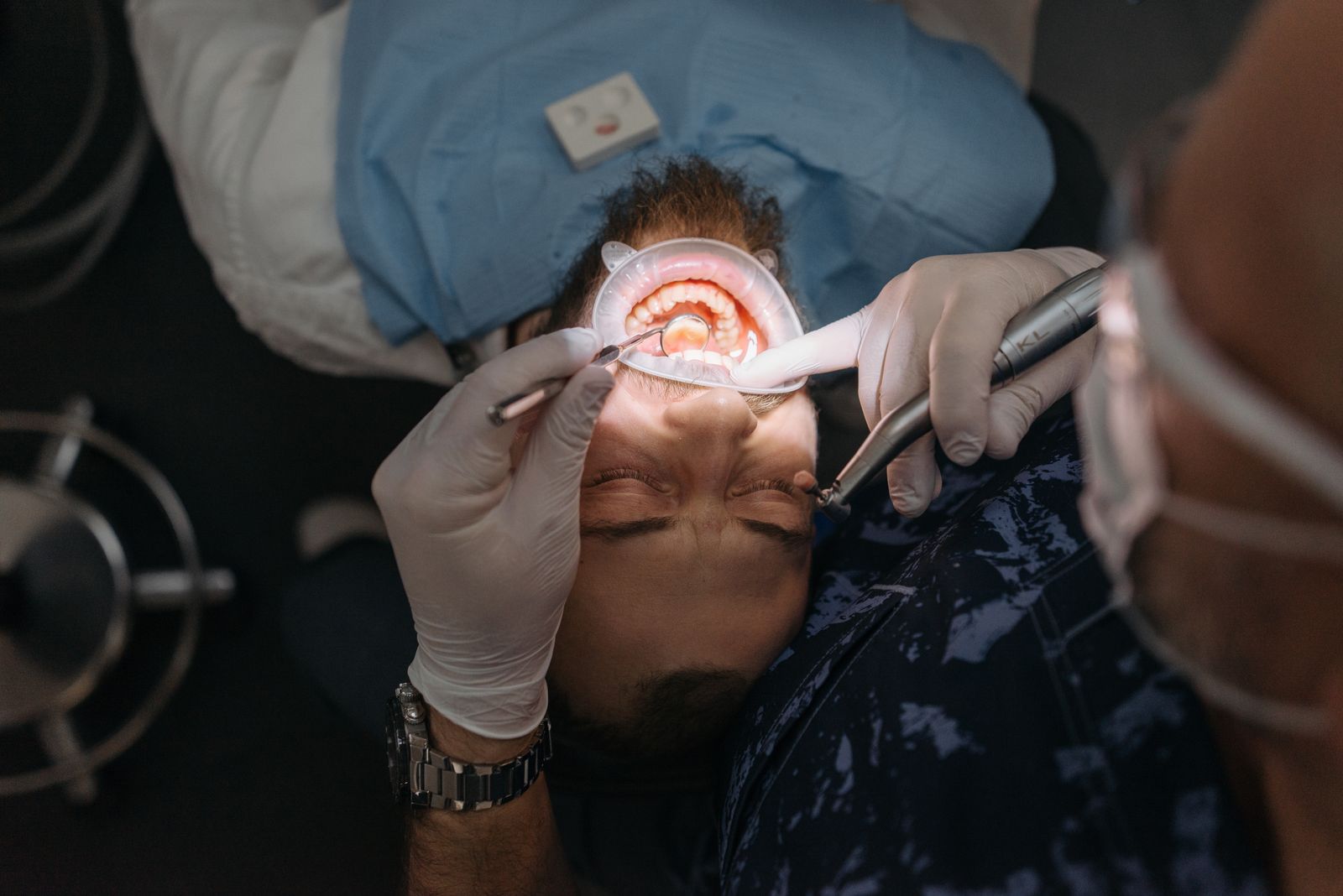
Crowns, bridges, fillings and implants are investments in your smile. But once they’re in place, many patients assume the work is done. In reality, dental work needs regular checkups to last, and many of the problems that cause it to fail don’t hurt until they’re advanced.
At The Dental Center of Jefferson in Lake Hopatcong, Dr. Mostafa Jabr checks every restoration at your recall visits. Here’s why regular checkups matter so much when you have dental work.
Why Dental Work Needs Regular Checkups

Restorations themselves can’t decay, but the natural teeth and gums around them can. Every crown, bridge and filling has an edge where it meets your tooth, and that edge is where problems usually start. Implants don’t get cavities, but the gums and bone around them can become inflamed.
What We Look For at Your Recall Visit
Crowns and Fillings
- Decay along the edges where the restoration meets the tooth
- Cracks, chips or worn areas
- Gaps or leakage that let bacteria in
- Changes in your bite
Bridges
- The health of the supporting teeth or implants
- Plaque and food trapped under the bridge
- Gum health around the bridge
Implants and All-on-4
- Gum inflammation or bleeding around the implants
- Bone levels on X-rays
- Loose screws or worn parts. See All-on-4 maintenance visits.
Problems That Don’t Hurt Until It’s Late

| Hidden problem | Caught at a checkup | If it’s missed |
|---|---|---|
| Decay under a crown | Repair or replace the crown | Root canal, or losing the tooth |
| Worn or leaking filling | Simple replacement | Larger cavity or a crown |
| Gum inflammation around an implant | Professional cleaning | Bone loss around the implant |
| Weak tooth under a bridge | Early treatment | Losing the whole bridge |
| Loose implant screw | Quick tightening | Damaged parts or a broken bridge |
How Often Should You Come In?
- Every 6 months: most patients with fillings, crowns or bridges
- Every 3 to 4 months: patients with implants or All-on-4, a history of gum disease, diabetes, smoking or heavy grinding
- As recommended: after major treatment, we may see you more often at first
For a general overview of checkups, read why your 6-month dental checkup matters.
Help Your Dental Work Last Longer
- Floss or use a water flosser daily, especially around crowns, bridges and implants
- Wear a night guard if you grind or clench
- Avoid chewing ice, hard candy and pens
- Tell us about any sensitivity, bleeding or changes in your bite
- Keep every recall appointment, even when nothing hurts

Recall Visit FAQs
How often should I have a checkup if I have crowns or implants?
Most patients with crowns or bridges do well with checkups every 6 months. Patients with implants, All-on-4 or a history of gum disease often benefit from visits every 3 to 4 months.
Can dental work fail without me noticing?
Yes. Decay under a crown, leakage around a filling and early bone loss around an implant often cause no pain until they’re advanced. X-rays and exams catch these early.
Do implants need X-rays?
Periodic X-rays help us monitor the bone around your implants over time. We take them only as often as needed based on your situation.
Will my insurance cover more frequent visits?
Most plans cover two preventive visits a year. Some cover additional periodontal maintenance visits. We’ll help you understand your benefits.
What if my dental work was done at another office?
We’re happy to check it. We’ll examine your crowns, bridges or implants, take any needed X-rays and let you know how everything looks.
Protect Your Dental Work
Is it time for your checkup? Call The Dental Center of Jefferson at (973) 663-4220 to schedule your recall visit. We welcome patients from across Sussex, Morris and Warren counties, including patients whose dental work was done elsewhere. Learn more about how long crowns last and our cleanings and exams.
About the author: Dr. Mostafa Jabr, DMD, is a general and restorative dentist and the owner of The Dental Center of Jefferson in Lake Hopatcong, NJ, where he helps patients from across North Jersey keep their smiles and dental work healthy with preventive care, restorative dentistry and dental implants.
This article is for general education and isn’t a substitute for a personal exam. Every patient’s situation is different.