If you’ve ever wished you could change the color, shape or size of your teeth, porcelain veneers may be the answer. They’re one of the most popular ways to create a brighter, more even smile, and when they’re done well, nobody can tell they’re there.
At The Dental Center of Jefferson in Lake Hopatcong, Dr. Mostafa Jabr designs veneers that look natural and fit each patient’s face and personality. Here’s everything you need to know before you decide.
What Are Veneers?
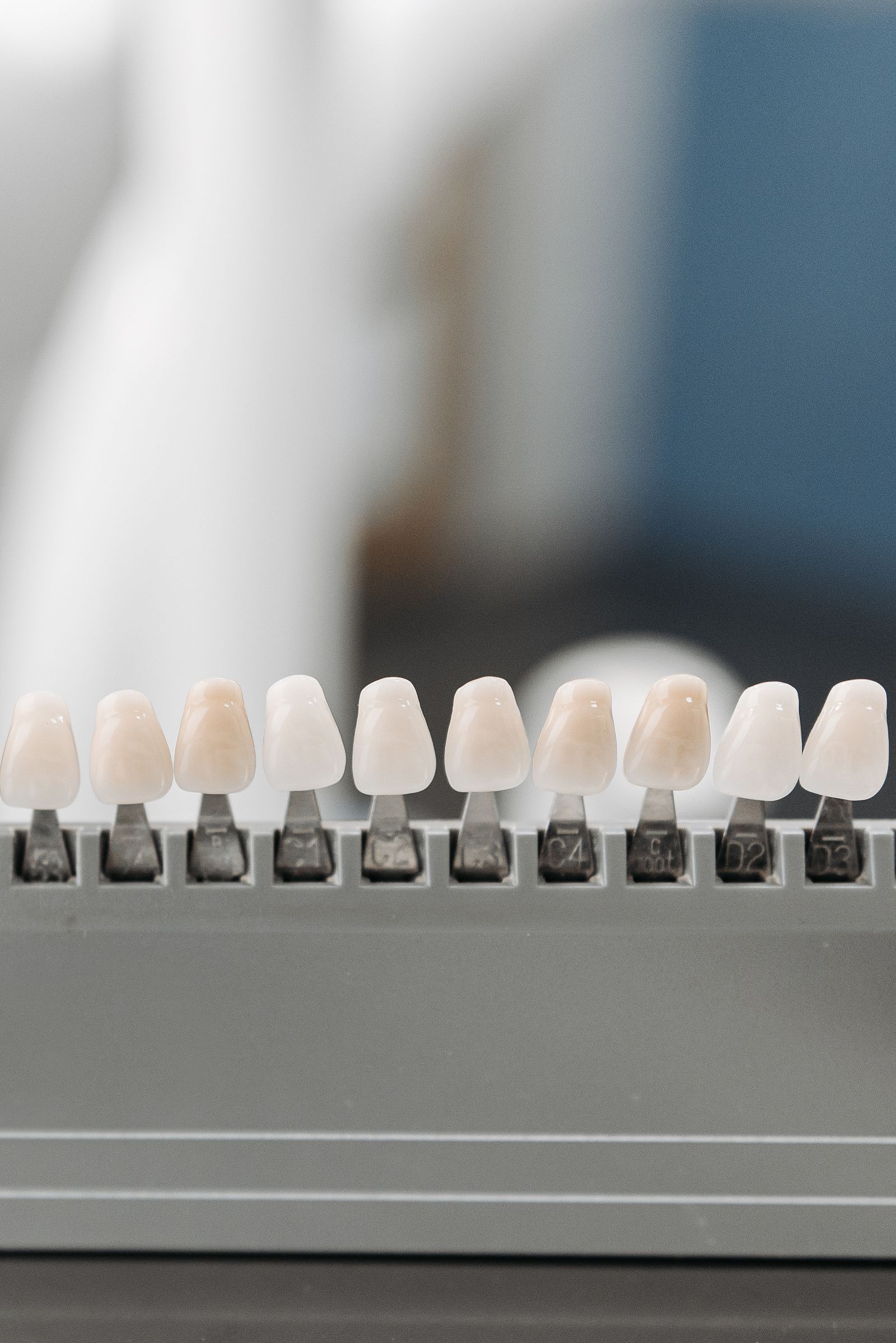
Veneers are thin, custom-made shells, usually made of porcelain, that are bonded to the front surface of your teeth. They cover imperfections and can change the color, shape, length and alignment of your teeth in the smile zone.
Porcelain is a popular choice because it’s strong, resists staining and reflects light much like natural tooth enamel.
What Can Veneers Fix?
- Stained or discolored teeth that don’t respond to whitening
- Chipped or worn teeth
- Gaps between teeth
- Uneven, short or oddly shaped teeth
- Mildly crooked teeth, when orthodontics isn’t the right fit
- An overall smile makeover for a brighter, more balanced look
Are You a Good Candidate for Veneers?
You may be a good candidate if you:
- Have healthy teeth and gums, or any decay and gum disease have been treated first
- Have enough healthy enamel for the veneers to bond to
- Want to improve the look of your smile in a lasting way
- Don’t heavily grind or clench, or are willing to wear a night guard
Veneers aren’t the right fit for everyone. If your teeth are significantly crooked, veneers may not be the best solution, and clear aligners could be a better first step. If a tooth is heavily damaged, a crown may be stronger. Compare options in our guides to crowns vs. veneers and bonding vs. veneers.
The Veneers Process, Step by Step
- Consultation and smile goals. We talk about what you’d like to change, examine your teeth and gums, and take photos and X-rays.
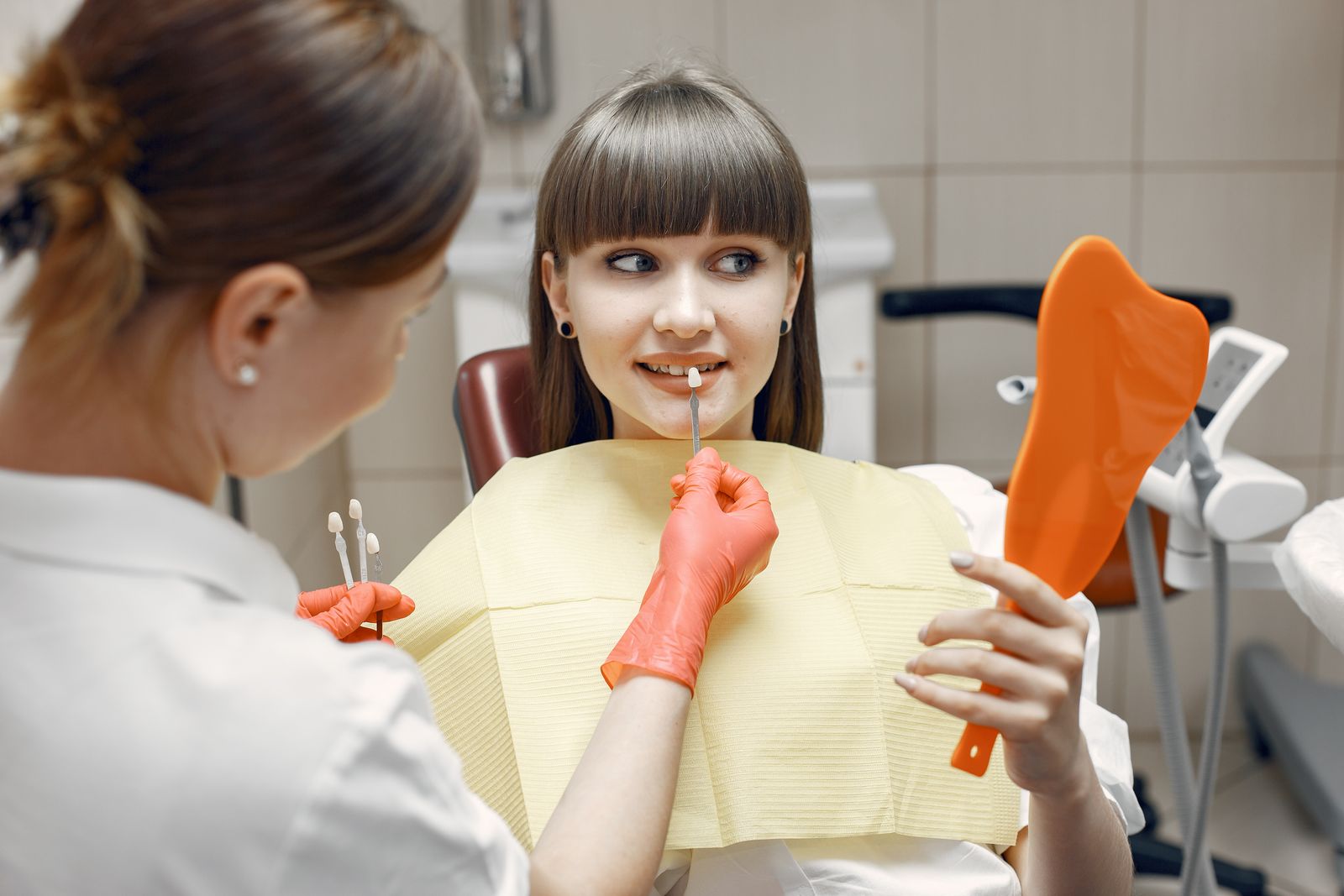
- Smile design. We plan the shape, length and shade of your new teeth to suit your face. In many cases we can preview the design so you can see your new smile before we start.
- Preparing the teeth. A very thin layer of enamel is gently removed so the veneers sit naturally and aren’t bulky. The area is numbed for comfort.
- Impressions or digital scan. We capture the exact shape of your teeth for the dental lab.
- Temporary veneers. You may wear temporaries while your permanent veneers are crafted.
- Bonding your veneers. We check the fit and color, then bond each veneer securely and fine-tune your bite.
Choosing the Right Shade
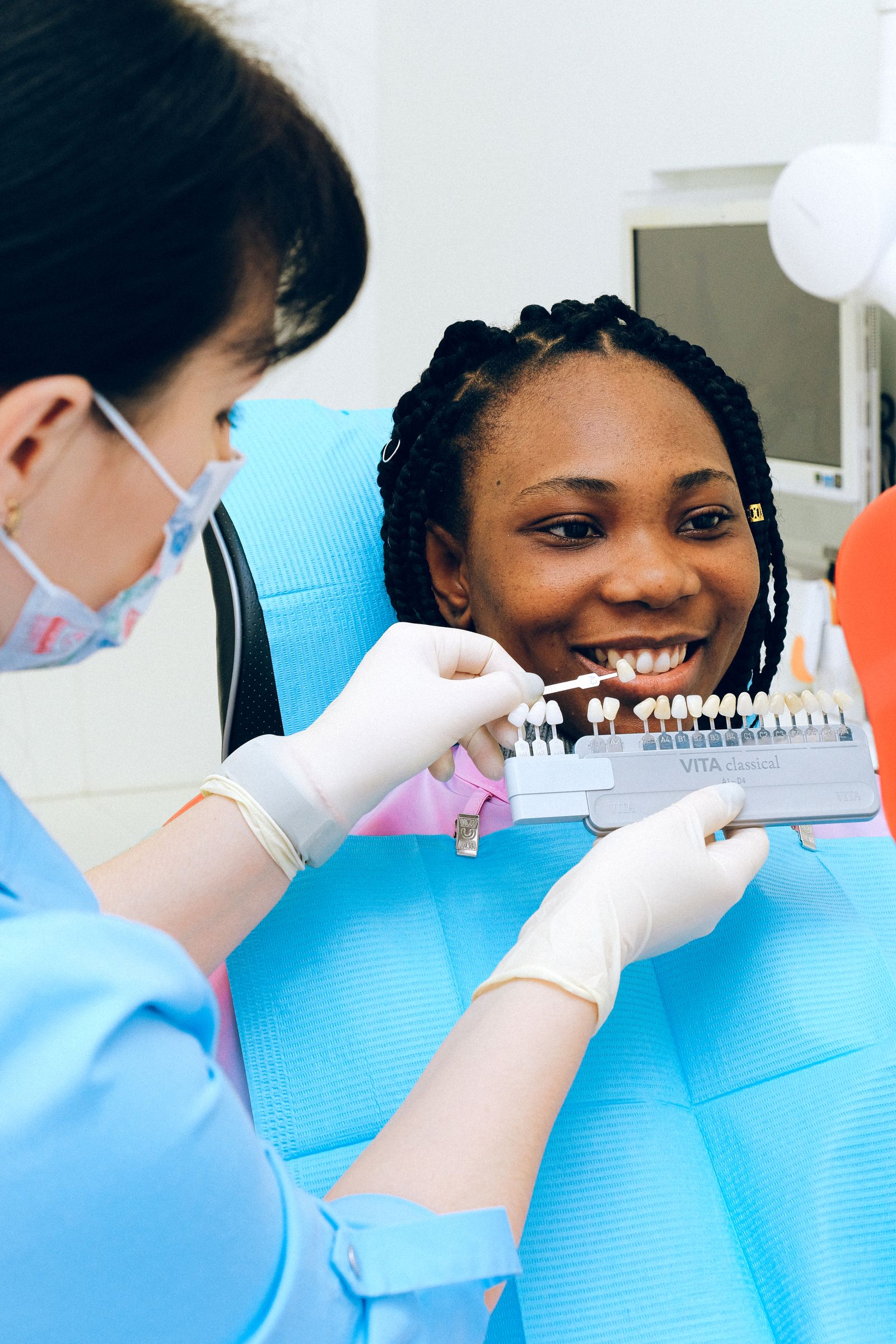
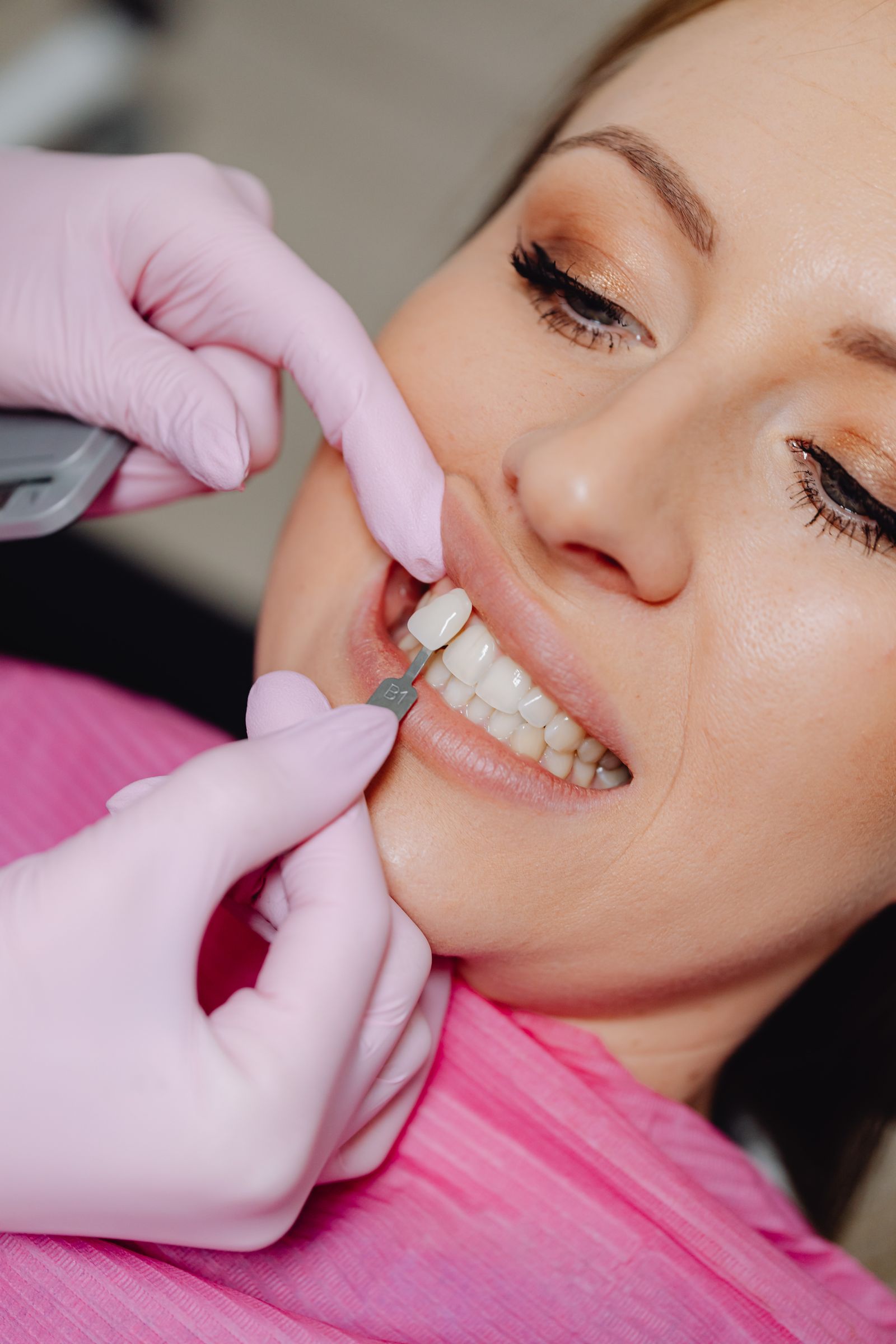
One of the most important decisions is the color. Whiter isn’t always better. The most beautiful results usually match the whites of your eyes and your skin tone, so the smile looks bright but natural. If you want your other teeth whiter too, we’ll often recommend whitening first so everything matches.
How Long Do Veneers Last?
With good care, porcelain veneers commonly last 10 to 15 years or more. How long yours last depends on your habits, your bite and how well you care for them.
How to Care for Your Veneers
- Brush twice a day with a non-abrasive toothpaste and floss daily
- Avoid biting ice, pens, fingernails or opening packages with your teeth
- Wear a night guard if you grind or clench
- Keep regular cleanings and checkups
- Limit very hard or sticky foods on your front teeth
Veneers vs. Other Cosmetic Options
- Teeth whitening: great for brightening healthy teeth, but it can’t change shape or fix chips.
- Bonding: a quicker, lower-cost fix for small chips or gaps, but less stain-resistant and shorter-lasting. See bonding vs. veneers.
- Crowns: cover the whole tooth and are better for teeth that are badly damaged or have had a root canal. See crowns after a root canal.
- Clear aligners: straighten teeth without changing their shape or color.
Veneers FAQs
How long do porcelain veneers last?
With good care, porcelain veneers commonly last 10 to 15 years or longer. Avoiding hard objects, wearing a night guard if you grind and keeping regular checkups all help them last.
Do veneers ruin your natural teeth?
Traditional veneers require removing a thin layer of enamel, usually a fraction of a millimeter, so the process isn’t reversible. When planned carefully, the underlying teeth stay healthy and protected under the veneers.
Do veneers hurt?
Most patients feel little to no discomfort. The teeth are numbed during preparation, and some temporary sensitivity afterward is normal.
Can veneers be whitened?
No. Porcelain veneers don’t respond to whitening, but they resist staining very well. If you want whiter teeth overall, it’s best to whiten before your veneers are made so the shades match.
How many veneers do I need?
It depends on your smile and goals. Some patients need just one or two to fix a chipped or discolored tooth, while others choose six to ten for a full smile makeover. We’ll help you decide during your consultation.
Does insurance cover veneers?
Veneers are usually considered cosmetic, so most dental plans don’t cover them. We offer financing options and a dental savings plan to help make treatment affordable.
Design Your New Smile with Dr. Jabr
Ready to see what veneers could do for your smile? Call The Dental Center of Jefferson at (973) 663-4220 to schedule a cosmetic consultation. We welcome patients from across Sussex, Morris and Warren counties, and offer financing options and a dental savings plan. Learn more about our dental veneers and cosmetic dentistry services.
About the author: Dr. Mostafa Jabr, DMD, is a general and restorative dentist and the owner of The Dental Center of Jefferson in Lake Hopatcong, NJ, where he helps patients from across North Jersey create natural, confident smiles with veneers, crowns and dental implants.
This article is for general education and isn’t a substitute for a personal exam. Every patient’s situation is different.